

A Key System – integral to any Renewable Energy Project or Electrical System in Maharashtra
In the past year, Maharashtra electricity policies have led to rising electricity costs, change in electricity time zones (ToD Zones), change in seasonal tariffs, and structural regulatory shifts which have fundamentally increased costs for commercial & industrial businesses over the long term in Maharashtra. These changes have also lowered the capacity, return on investment and functionality of Renewable Energy Projects.
However, regulatory changes enacted by the Maharashtra Electricity Regulatory Commission (MERC) and Maharashtra State electricity Distribution Company Ltd (MSEDCL) have fundamentally altered the financial viability of renewable projects.
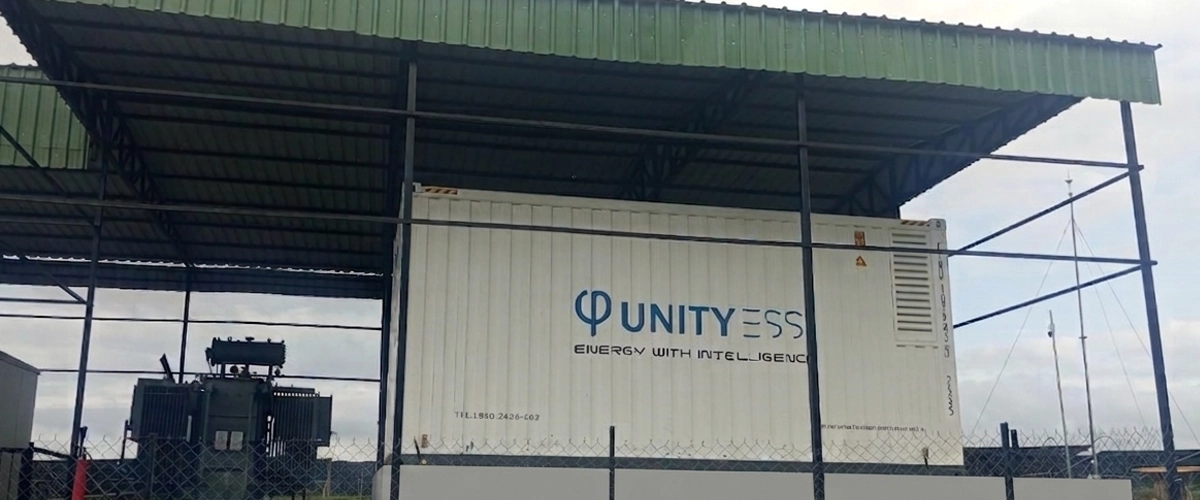
A Battery Energy Storage System (BESS) enables businesses to store excess energy and deploy it when demand and tariffs are highest or when the grid fails, improving energy efficiency, reducing power costs, and protecting project ROI.
Changes in MERC / MSEDCL Regulations
1. Same-Slot Banking Restrictions
Historically, establishments relied heavily on the state grid to store excess daytime solar energy and provide it in the night Zone (A Zone).
Under the revised MERC framework, banking has been effectively restricted to the solar generation zone (C Zone – 09:00 AM to 05:00 PM)
The Impact: Surplus solar can no longer be used to offset expensive night bills.
2. Mandatory Storage Obligations
The state’s Renewable Energy and Energy Storage Policy introduces a direct mandate for decentralized storage. All new renewable energy projects (including rooftop solar and open access installations) above a 100 kW threshold must integrate BESS storage capacity.
BESS Impact on Commercial Operations
While industrial units often run steady 24/7 operations, large commercial consumers face a unique challenge: their peak business hours directly clash with the most expensive grid tariff slots. This makes BESS a critical asset for specific high-consumption sectors:
🏙️ Shopping Malls –
Malls experience their highest footfall, maximum lighting loads, and peak central air conditioning demands during the late evening. Under the MERC tariff structure, this falls squarely within the Time-of-Day (ToD) ‘D’ slot (05:00 PM to 12:00 AM), which carries the highest power tariff. Daytime and excess solar generation can be banked via our BESS solutions to offset expensive D zone power.
🏨 Hotels –
Luxury hotels operate hospitality infrastructure, commercial kitchens, and guest room HVAC units that run continuously. However, guest power consumption heavily spikes in the evening and overnight. Without BESS, a hotel’s daytime solar array provides zero financial relief against the high-tariff evening slots, leading to poor solar utilization and inflated operational expenses.
🏥 Hospitals –
Hospitals maintain high, non-negotiable baseloads due to 24/7 critical care units, imaging equipment, and operating theatres. Unlike other businesses, hospitals cannot shift their power loads to cheaper daytime slots. For healthcare providers, a BESS serves a dual purpose: it offsets the expensive evening ToD pricing while acting as a critical, high-reliability safeguard for life-saving medical equipment.
Replacing DG Sets
Large commercial facilities have relied on Diesel Generator (DG) sets as their primary source of backup power. However, tightening environmental norms and the superior performance of lithium-ion technology mean that BESS can now realistically offset DG runnning costs.
⚡ Mitigate Your Tariff Risks & Increase Energy Reliability with Cleanhedge
We help commercial enterprises audit their energy profiles, engineer customized solutions, and provide multiple financing options for Solar + BESS projects.
Visit www.clean-hedge.com to request a customized energy storage feasibility study for your property today.